Buy iptvshop.co.uk ?
We are moving the project
iptvshop.co.uk .
Are you interested in purchasing the domain
iptvshop.co.uk ?
domain@kv-gmbh.de · 0541-91531010
Buy iptvshop.co.uk ?
Who is eating our tulip bulbs?
It is likely that squirrels or rabbits are eating your tulip bulbs. These animals are known to dig up and consume bulbs, especially during the fall and winter months when food sources are scarce. To prevent further damage, you can try using physical barriers or repellents to deter these animals from accessing your garden. **
Are tulip leaves poisonous to cats?
Yes, tulip leaves are toxic to cats. All parts of the tulip plant, including the leaves, stem, and bulb, contain toxins called tulipalin A and B, which can cause vomiting, diarrhea, drooling, and in some cases, more severe symptoms such as difficulty breathing and increased heart rate in cats. It's important to keep tulip plants out of reach of cats and seek veterinary attention if you suspect your cat has ingested any part of the plant. **


Similar search terms for Tulip
Top-Angebote
Products related to Tulip:
-
Peg Perego Booklet Stroller - Tulip---Specs Tables Start--- table.tableizer-table { border: 0px solid #CCC; font-family: Arial, Helvetica, sans-serif; font-size: 14px;} .tableizer-table td { padding: 1px; margin: 3px; border: 0px solid #ccc;}.tableizer-table th { background-color:...349,99 $*Shipping: 0,00 $Secure redirect to the provider
-
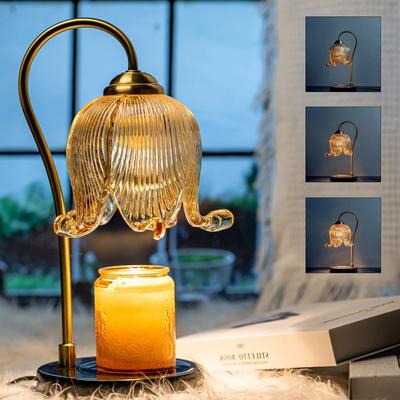
Uplift Essentials French Retro Tulip Fragrance Warming Candle Lamp French Retro Tulip Fragrance Warming Candle LampInfuse your home with the timeless elegance of a Parisian boutique with this French Retro tulip lamp. Designed to bring a touch of vintage charm to your Bedroom Bedside, this exquisite piece functions as both a stunning floral accent and a safe,...80,97 $*Shipping: 0,00 $Secure redirect to the provider
-
Morris & Co Pure Honeysuckle & Tulip 10.05m x 68.6cm Matte Wallpaper Roll Gray 1,005cm LElegant in design and colour, this gravure printed wallpaper has been produced using mica and metallic effects and was inspired by Morriss watercolour paintings of Honeysuckle from 1876. The Morris & Co. studio created this new artwork with fine ink, pencil and watercolour. Morris & Co142,09 £*Shipping: 0,00 £Secure redirect to the provider


-
Why do tulip leaves change color?
Tulip leaves change color as part of their natural growth and development process. As the tulip plant matures, the chlorophyll in the leaves breaks down, causing the green color to fade and other pigments to become more visible. This change in color is also influenced by environmental factors such as temperature, sunlight, and soil nutrients. Additionally, certain tulip varieties may naturally exhibit different leaf colors as they grow. **
-
Is the tulip a seed plant?
Yes, the tulip is a seed plant. Tulips reproduce by producing seeds, which are contained within the flower's ovary. Once the seeds are mature, they can be collected and planted to grow new tulip plants. Therefore, the tulip is a seed plant that reproduces through the production of seeds. **
-
How do you mix tulip directions?
To mix tulip directions in a garden or floral arrangement, you can create a dynamic and visually appealing display by combining tulips of different varieties and colors that face different directions. For example, you can plant or arrange tulips that face upwards, outwards, or downwards to add depth and interest to the overall design. Mixing tulip directions can create a more natural and organic look, mimicking how tulips grow in nature. Experimenting with different combinations of tulip directions can help create a unique and beautiful display that showcases the diversity of these stunning flowers. **
-
How can one replicate a Tulip Chair?
Replicating a Tulip Chair involves studying the original design and materials used in its construction. One can start by researching the dimensions, shape, and materials of the chair. It is important to pay attention to details such as the curved lines of the seat and base, as well as the cushioning and upholstery. Additionally, finding a skilled craftsman or manufacturer who can accurately replicate the chair is essential to achieving a high-quality reproduction. **


How can one recreate a Tulip Chair?
To recreate a Tulip Chair, one would need to follow these steps: 1. Obtain the necessary materials: The Tulip Chair was originally designed by Eero Saarinen in the 1950s and features a molded fiberglass or plastic seat mounted on a single stem-like pedestal base. To recreate this chair, one would need to find a similar molded seat and a metal or plastic base that mimics the shape of the original design. 2. Assemble the chair: Once the materials are obtained, the seat should be securely attached to the base using appropriate hardware. The base should be strong and stable enough to support the weight of the seat and the person sitting in it. 3. Finish the chair: The Tulip Chair typically has a smooth, glossy finish. To recreate this look, one could paint the seat and base with a high-gloss paint in a color of their choice. Alternatively, one could also choose to leave the materials in their natural state for a more minimalist look. By following these steps and paying attention to the details of the original design, one can recreate a Tulip Chair that closely resembles the iconic mid-century modern piece. **
How can one rebuild a Tulip Chair?
To rebuild a Tulip Chair, one would need to disassemble the chair by removing the seat cushion and base. Next, the old upholstery fabric should be removed and replaced with new fabric. The chair base can be cleaned and repainted if necessary. Finally, the seat cushion can be reattached to the base, and the chair can be reassembled. It is important to follow the manufacturer's instructions or seek professional help if needed. **
Top-Angebote
Products related to Tulip:
-
Tulip Leander Junior Bed - WhitewashMoving from a safe cot to a regular bed is really a big deal. The Leander junior bed is placed between a crib and an adult bed in terms of size, which makes it a really good transition bed. The bed is designed with the characteristic soft, round...799,00 $*Shipping: 0,00 $Secure redirect to the provider
-
Tulip 4 Drawer Dresser - GreyDesigned for the Leander collection, this 4-drawer dresser is made of solid birch and is Greenguard GOLD Certified for extremely low VOCs (Volatile Organic Compounds) and other harmful chemicals. The commercial grade, adjustable locking drawer...1099,00 $*Shipping: 0,00 $Secure redirect to the provider
-
Peg Perego Booklet Stroller - Tulip---Specs Tables Start--- table.tableizer-table { border: 0px solid #CCC; font-family: Arial, Helvetica, sans-serif; font-size: 14px;} .tableizer-table td { padding: 1px; margin: 3px; border: 0px solid #ccc;}.tableizer-table th { background-color:...349,99 $*Shipping: 0,00 $Secure redirect to the provider
-
Who is eating our tulip bulbs?
It is likely that squirrels or rabbits are eating your tulip bulbs. These animals are known to dig up and consume bulbs, especially during the fall and winter months when food sources are scarce. To prevent further damage, you can try using physical barriers or repellents to deter these animals from accessing your garden. **
-
Are tulip leaves poisonous to cats?
Yes, tulip leaves are toxic to cats. All parts of the tulip plant, including the leaves, stem, and bulb, contain toxins called tulipalin A and B, which can cause vomiting, diarrhea, drooling, and in some cases, more severe symptoms such as difficulty breathing and increased heart rate in cats. It's important to keep tulip plants out of reach of cats and seek veterinary attention if you suspect your cat has ingested any part of the plant. **
-
Why do tulip leaves change color?
Tulip leaves change color as part of their natural growth and development process. As the tulip plant matures, the chlorophyll in the leaves breaks down, causing the green color to fade and other pigments to become more visible. This change in color is also influenced by environmental factors such as temperature, sunlight, and soil nutrients. Additionally, certain tulip varieties may naturally exhibit different leaf colors as they grow. **
-
Is the tulip a seed plant?
Yes, the tulip is a seed plant. Tulips reproduce by producing seeds, which are contained within the flower's ovary. Once the seeds are mature, they can be collected and planted to grow new tulip plants. Therefore, the tulip is a seed plant that reproduces through the production of seeds. **
Similar search terms for Tulip
-
Uplift Essentials French Retro Tulip Fragrance Warming Candle Lamp French Retro Tulip Fragrance Warming Candle LampInfuse your home with the timeless elegance of a Parisian boutique with this French Retro tulip lamp. Designed to bring a touch of vintage charm to your Bedroom Bedside, this exquisite piece functions as both a stunning floral accent and a safe,...80,97 $*Shipping: 0,00 $Secure redirect to the provider
-
Morris & Co Pure Honeysuckle & Tulip 10.05m x 68.6cm Matte Wallpaper Roll Gray 1,005cm LElegant in design and colour, this gravure printed wallpaper has been produced using mica and metallic effects and was inspired by Morriss watercolour paintings of Honeysuckle from 1876. The Morris & Co. studio created this new artwork with fine ink, pencil and watercolour. Morris & Co142,09 £*Shipping: 0,00 £Secure redirect to the provider
-
Tulip Leander Changing Table & Pad - WalnutThe Leander changing table is designed as a safe base for the many hours of diaper changes you and your child will spend together.When your child grows and begins to push forward, the rounded shapes and edges add safety. A changing table should be...1099,00 $*Shipping: 0,00 $Secure redirect to the provider
-
Tulip Leander Table & Stool Set - WhiteThe Leander table stool set is the perfect creativity table. The stools are ergonomically designed to have a pivoting seat - when the child presses their weight on the front of the seat it moves in unison with them. Then when he/she stands up, the...629,00 $*Shipping: 0,00 $Secure redirect to the provider
-
How do you mix tulip directions?
To mix tulip directions in a garden or floral arrangement, you can create a dynamic and visually appealing display by combining tulips of different varieties and colors that face different directions. For example, you can plant or arrange tulips that face upwards, outwards, or downwards to add depth and interest to the overall design. Mixing tulip directions can create a more natural and organic look, mimicking how tulips grow in nature. Experimenting with different combinations of tulip directions can help create a unique and beautiful display that showcases the diversity of these stunning flowers. **
-
How can one replicate a Tulip Chair?
Replicating a Tulip Chair involves studying the original design and materials used in its construction. One can start by researching the dimensions, shape, and materials of the chair. It is important to pay attention to details such as the curved lines of the seat and base, as well as the cushioning and upholstery. Additionally, finding a skilled craftsman or manufacturer who can accurately replicate the chair is essential to achieving a high-quality reproduction. **
-
How can one recreate a Tulip Chair?
To recreate a Tulip Chair, one would need to follow these steps: 1. Obtain the necessary materials: The Tulip Chair was originally designed by Eero Saarinen in the 1950s and features a molded fiberglass or plastic seat mounted on a single stem-like pedestal base. To recreate this chair, one would need to find a similar molded seat and a metal or plastic base that mimics the shape of the original design. 2. Assemble the chair: Once the materials are obtained, the seat should be securely attached to the base using appropriate hardware. The base should be strong and stable enough to support the weight of the seat and the person sitting in it. 3. Finish the chair: The Tulip Chair typically has a smooth, glossy finish. To recreate this look, one could paint the seat and base with a high-gloss paint in a color of their choice. Alternatively, one could also choose to leave the materials in their natural state for a more minimalist look. By following these steps and paying attention to the details of the original design, one can recreate a Tulip Chair that closely resembles the iconic mid-century modern piece. **
-
How can one rebuild a Tulip Chair?
To rebuild a Tulip Chair, one would need to disassemble the chair by removing the seat cushion and base. Next, the old upholstery fabric should be removed and replaced with new fabric. The chair base can be cleaned and repainted if necessary. Finally, the seat cushion can be reattached to the base, and the chair can be reassembled. It is important to follow the manufacturer's instructions or seek professional help if needed. **
* All prices are inclusive of VAT and, if applicable, plus shipping costs. The offer information is based on the details provided by the respective shop and is updated through automated processes. Real-time updates do not occur, so deviations can occur in individual cases. ** Note: Parts of this content were created by AI.